
Processes and automation
Why leads get lost in the sales process—and how to keep track of them
You invested in marketing. People come, ask questions and then disappear. It is not a mystery or necessarily a pricing issue. It is a process problem: leads you cannot see in one place are the ones that get lost.
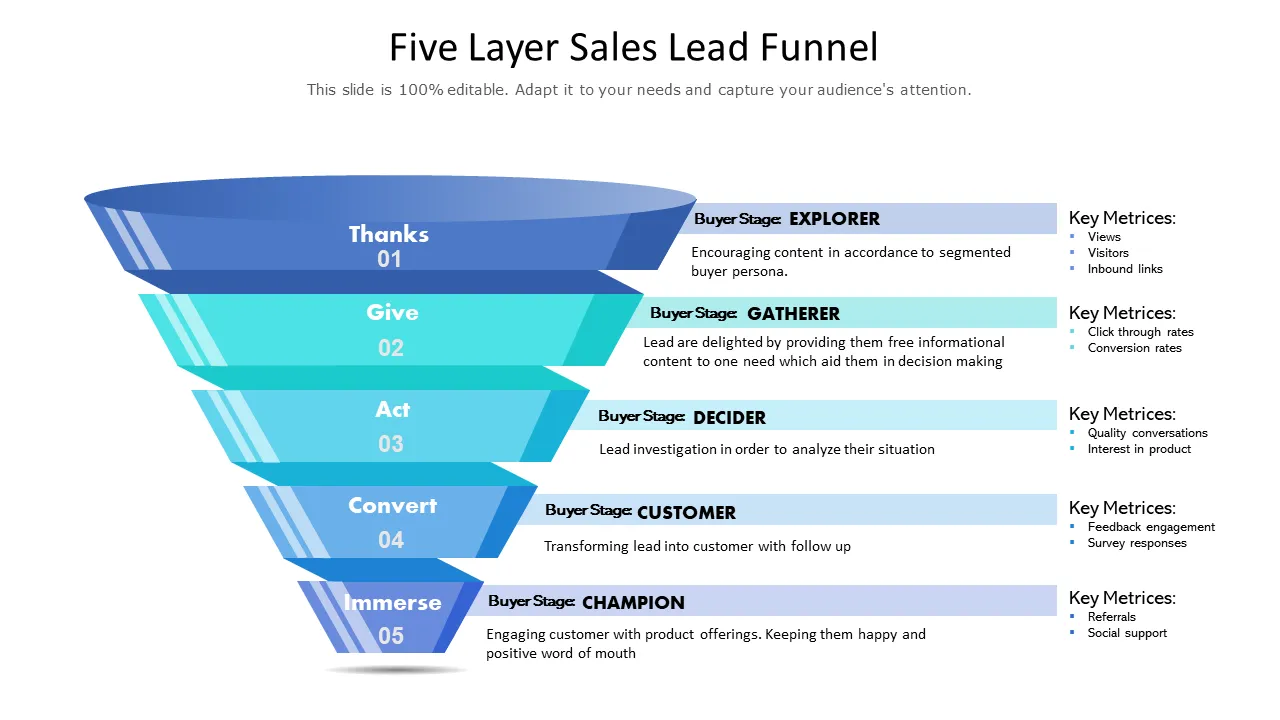
You invested in marketing. People come, ask questions and then disappear without a trace.
It is not a mystery, and it is not about the quality of your product or your prices. It is a process problem and, in most cases, one that can be avoided entirely.
Where leads actually get lost
Most business owners attribute lost leads to external factors: prospects are not serious, the price is too high, the market is not ready. But if you look carefully at where the chain breaks, the answer is almost always internal: it is not the market refusing; the process is failing.
1. The response takes too long
The likelihood of converting a lead drops dramatically after the first five minutes from initial contact. If your team responds a few hours later or the next day, the prospect may already have spoken to a competitor—and you do not know it.
2. There is no systematic follow-up
The classic scenario: an email is sent, no reply comes, and the file is quietly closed. Without a clear follow-up system—with rules for how many attempts to make, through which channel and at what intervals—responsibility falls to each team member’s memory and good intentions. Neither is a reliable resource.
3. Information is fragmented across channels
A lead messages you on Instagram, calls and fills in a website form. Three channels, three different people, no shared context. The customer feels they have to explain everything from scratch each time and eventually gives up.
4. You cannot see where each lead is in the process
A salesperson knows what they think about a prospect, but without a clear picture of the whole pipeline, the team’s energy is distributed unevenly: too much attention on some, too little on others. Opportunities do not disappear suddenly; they slip away gradually, without anyone noticing when a warm prospect turns cold. A system that shows you in real time where each conversation stands is not a tool for control, but one for clarity.
5. Sales stages are not clearly defined
If everyone on the team has a different interpretation of what counts as a qualified lead or an active opportunity, your pipeline is not a pipeline. It is a list of hopes without clear criteria.
The real cost of a lost lead
The calculation is simple. If you invest €1,000 a month in marketing and attract 50 leads, the cost per lead is €20. If you lose 60% because of the process rather than lead quality, you are effectively throwing away €600 every month. Not because the market is not interested, but because your system has room to improve. Multiplied over 12 months, that is an avoidable cost worth your attention.
Before you move on to solutions, see where it leaks in your business. It takes a minute.
One-minute test
Where are your leads leaking?
Five everyday sales situations. Pick what happens in your business and watch the pipe: every leak shows up as you answer.
- Response: not answered
- Follow-up: not answered
- Channels: not answered
- Visibility: not answered
- Stages: not answered
Question 1 of 6
A new client writes to you on Friday at 5 pm. When do they get a reply?
What you can do about it
Define clear stages in your pipeline
Set between five and seven clear stages, from new lead to active customer. Each stage should have a specific action associated with it and a named person responsible.
Make response times a rule, not an intention
The first response should arrive within an hour during working hours. If your team is small, an automatic acknowledgement can hold the lead until someone is available to take over the conversation.
Bring leads together in one system
It does not need to be complicated. It needs to bring conversations together, show you where each lead stands and send automatic follow-up reminders. A good system does not replace people. It shows them what to do and for whom.
Automate repetitive follow-ups
Automated email or message sequences for leads that have not responded are not spam; they are a system. If a prospect asked for a proposal and has been silent for three days, an automatic reminder can save the sale without anyone needing to remember to send it manually.
Measure conversion rates at every stage
Beyond asking “How many customers did we win this month?”, you need to know: out of 50 leads, how many made it to a demo? Of those who attended a demo, how many received a proposal? Where does the process get stuck most often? The data shows you exactly where to act.
Conclusion
A lost lead is not a sales failure. It is a signal that there is a gap in your process, and the good news is that processes can be fixed. Companies that grow consistently do not necessarily have the best salespeople. They have clear systems that are followed consistently, with full visibility into every prospect. The difference between a business that stagnates and one that scales often lies right here: not in the product, not in the price, but in what happens after someone shows interest.
Do you know how many leads came in this month and where each one stands? If not, that is the first thing to put on your list.